I am a doctoral candidate in Public Affairs at the O’Neill School of Public and Environmental Affairs at Indiana University. My research lies in health economics and health policy, with a focus on fertility and reproductive health. I will be on the 2026-2027 job market.
PhD in Public Affairs, 2027 (Expected)
Indiana University
Master of Public Policy, 2023
University of Southern California
BA in Political Science & Economics, 2020
Yonsei University
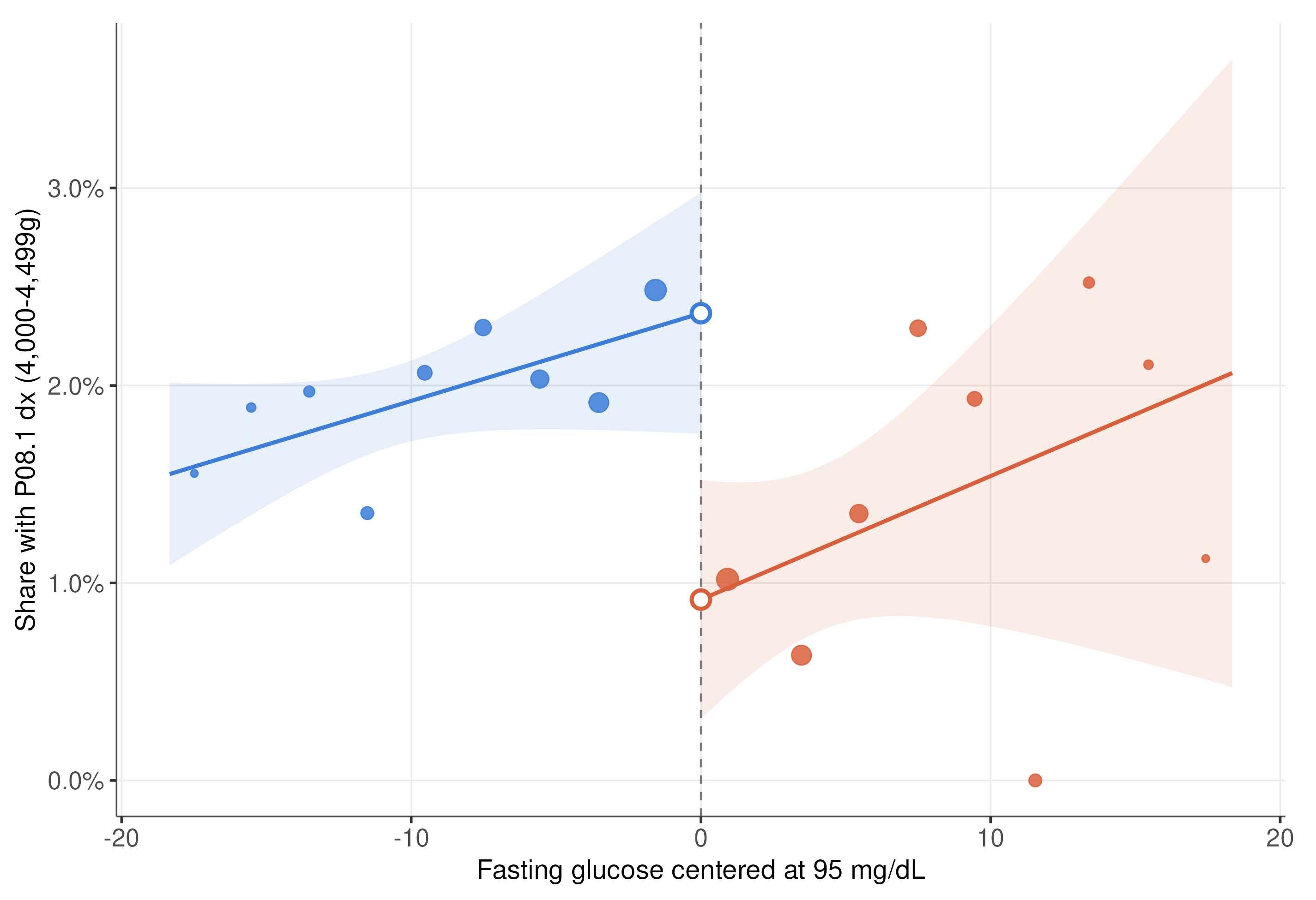
Questions about whether the benefits of additional medical spending exceed their costs have long been studied in the health economics literature, but the marginal returns to care during pregnancy have received little attention. I study gestational diabetes mellitus (GDM), an increasingly common pregnancy complication, and estimate the marginal returns to diagnosis. I use a regression discontinuity design and compare patients just above and just below the diagnostic threshold. Using MarketScan claims and laboratory data, I find that diagnosis at the margin increases a woman’s out-of-pocket spending on diabetes and nutrition services by approximately $28 per additional diagnosis, while producing no detectable increase in total pregnancy spending. For this modest increase in spending on these services, crossing the threshold yields substantial infant health benefits: women diagnosed at the margin have 1.36 percentage points lower rates of infant macrosomia and 1.33 percentage points lower rates of NICU admission. Relative to the rates just below the cutoff, these declines are roughly 60 and 55 percent.
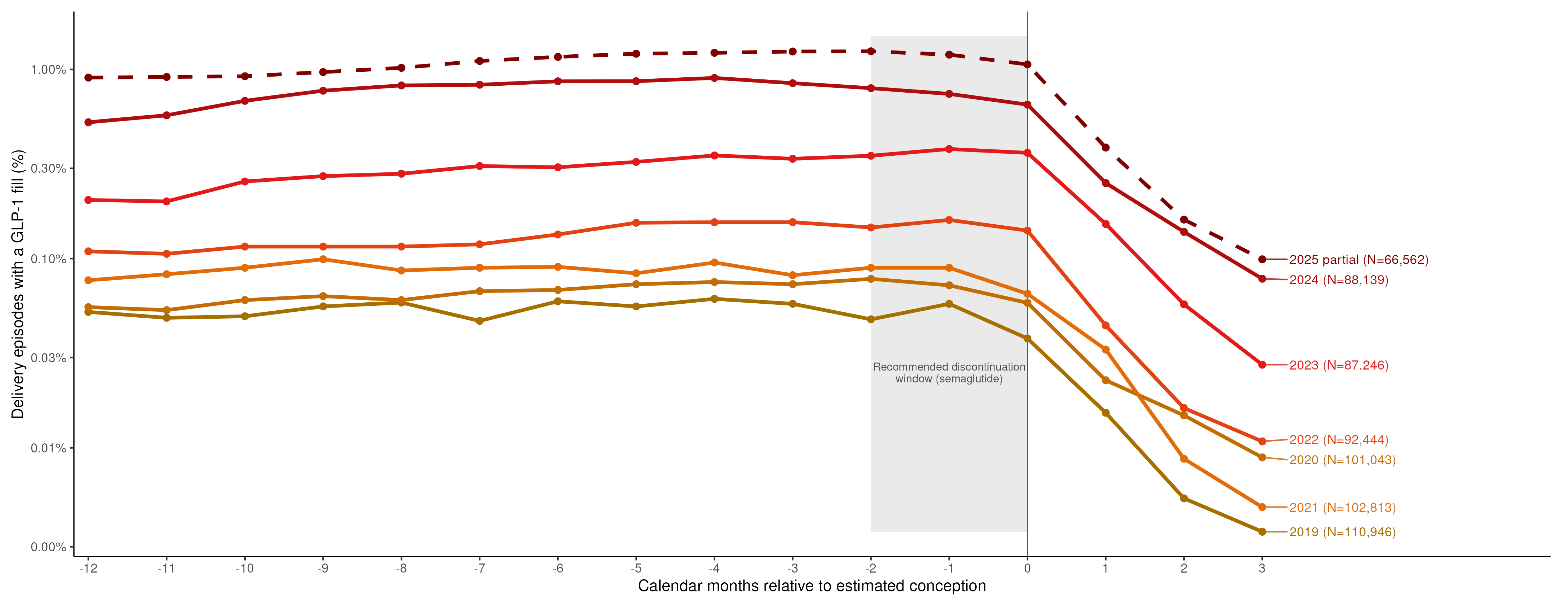
GLP-1 receptor agonists are not recommended in pregnancy, and semaglutide labeling advises discontinuation at least two months before conception, yet the timing of cessation relative to conception has not been described. Using 2017-2025 MarketScan commercial claims, we study women ages 15-49 with an inpatient live birth in 2019-2025 and date conception from gestational-age diagnosis codes. Preconception GLP-1 utilization grew from under 0.05% in 2019 to over 1% in 2025. Most of the decline in utilization followed conception rather than preceding it, placing cessation at pregnancy recognition: among deliveries with any preconception-year fill, 35.9% last filled within 30 days of conception. Contraception and pregnancy-intention counseling should occur at GLP-1 initiation and dose escalation, not only at pregnancy identification.
This paper examines whether U.S. interstate migration responds to state abortion policy. Using 2006-2019 data on gestational age limits and bilateral migration flows, we estimate gravity models with origin- and destination-state policies, economic, demographic, and political controls, and state-pair and year fixed effects. We find that gestational age limits do not significantly affect out-migration, but they reduce in-migration: individuals are less likely to move to states that adopt 20-week limits, the most restrictive policy observed during the study period. Effects are similar for men and women and are large among women past reproductive age, suggesting that migration responses are driven partly by ideological preferences rather than only anticipated need for abortion access. Results are robust to an extended two-way fixed effects estimator designed for heterogeneous treatment effects under staggered adoption in nonlinear models.
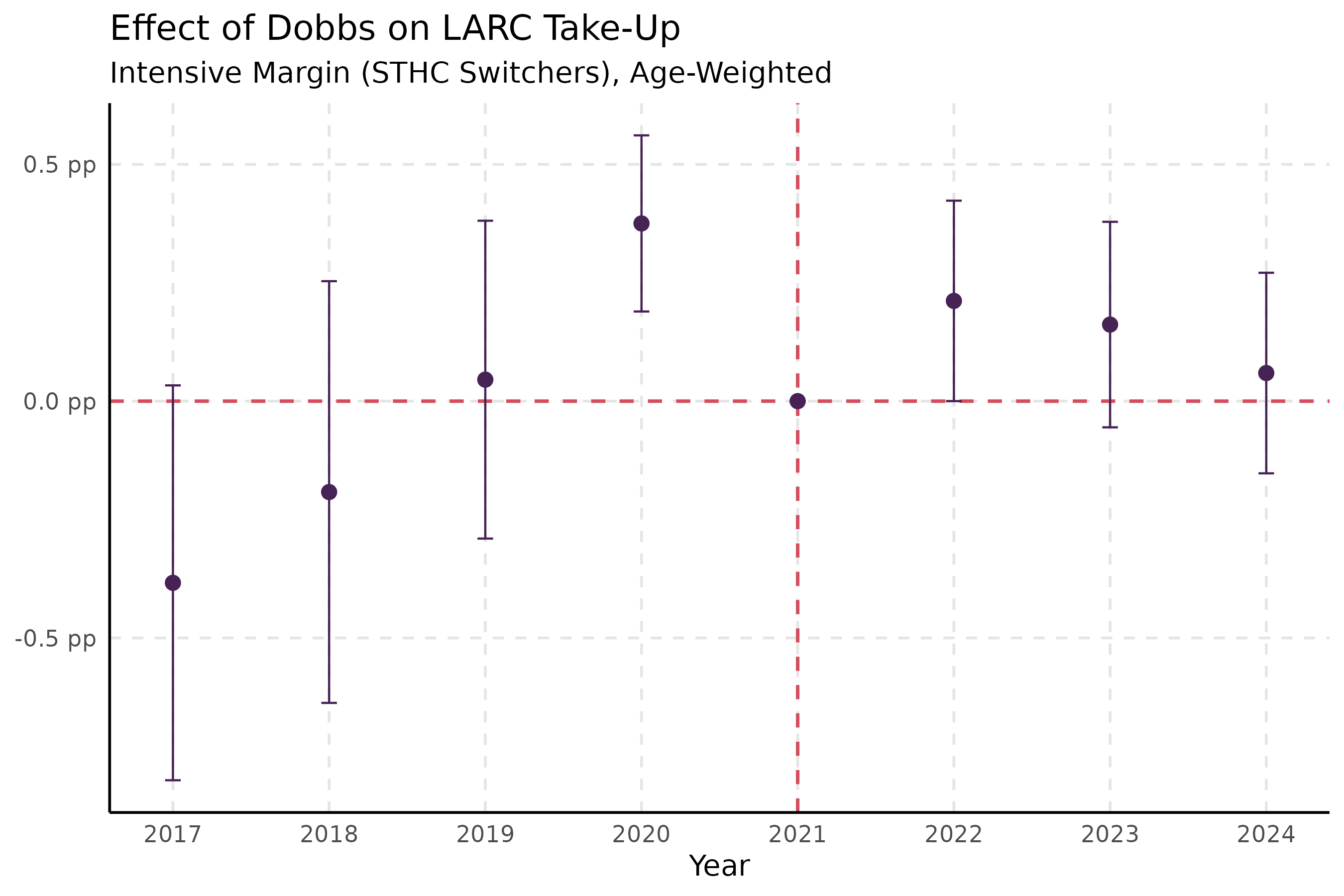
We examine whether state abortion bans after Dobbs changed prescription contraception use among commercially insured women. Using longitudinal claims data and a stacked difference-in-differences design, we study contraception initiation among prior nonusers and switching from short-acting to long-acting methods among existing users, including heterogeneity by distance to the nearest abortion facility. Despite a gradual nationwide decline in contraception use, we find no evidence that post-Dobbs restrictions increased take-up or shifted women toward long-acting methods.
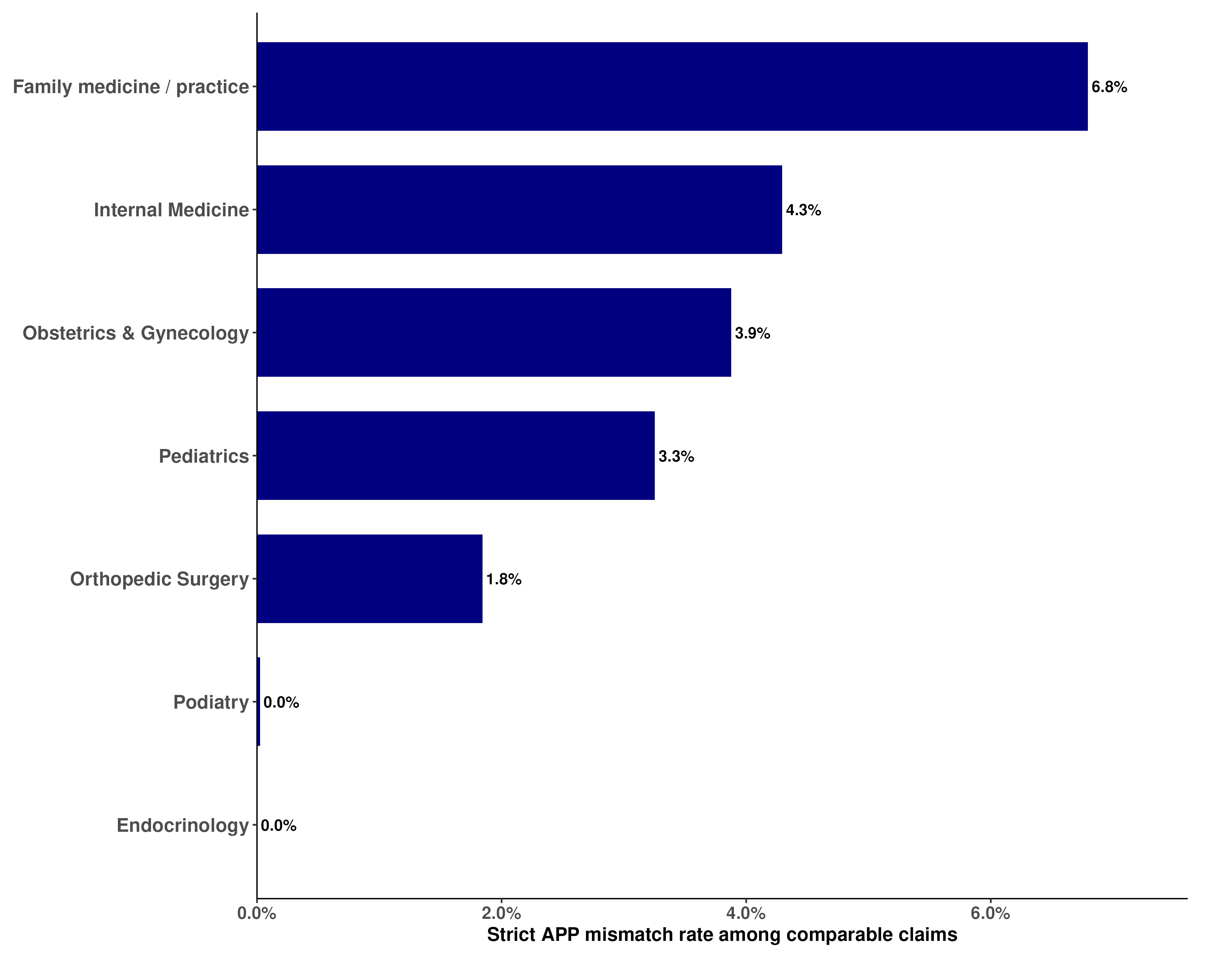
Incident-to billing allows office services delivered by advanced practice providers to be billed under a supervising physician’s NPI, creating a payment wedge and potentially mismeasuring who produced care. Using 2020-2022 HealthJump EHR data from more than 4,000 office-based physician practice organizations, we link encounter-side and charge-side clinicians for the same hashed encounter to construct broad clinician mismatch and stricter advanced-practice-provider-to-physician mismatch measures. Among 10.7 million comparable billed office E&M records, broad mismatch affects about 14 percent of records annually and APP-to-physician mismatch affects 3.3 to 3.5 percent, with patterns concentrated across practices, persistent over time, increasing with provider-day throughput, and tied to meaningful dollar volume.
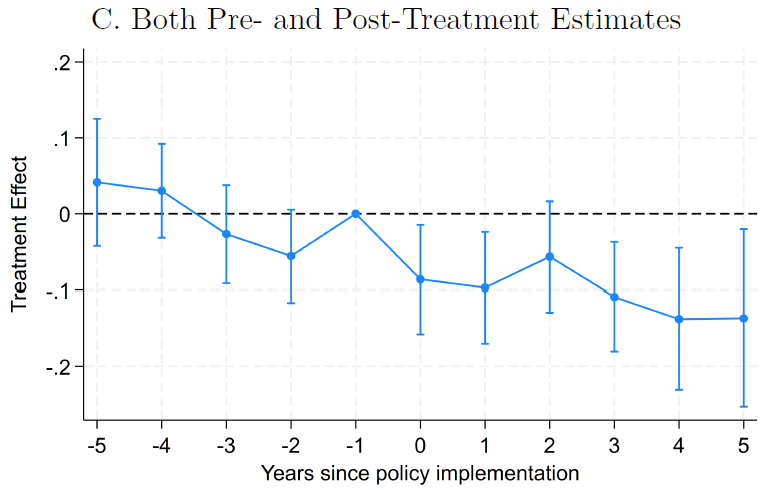
This book chapter introduces difference-in-differences designs as a core tool for causal inference and explains why standard two-way fixed effects estimators can be misleading under staggered treatment timing or heterogeneous treatment effects. It develops the classic two-group, two-period framework and then extends the discussion to two modern alternatives: stacked difference-in-differences and imputation-based estimators. The chapter emphasizes the importance of separating estimation from aggregation across units and time, providing applied researchers with a framework for implementing credible, interpretable, and robust DID analyses.
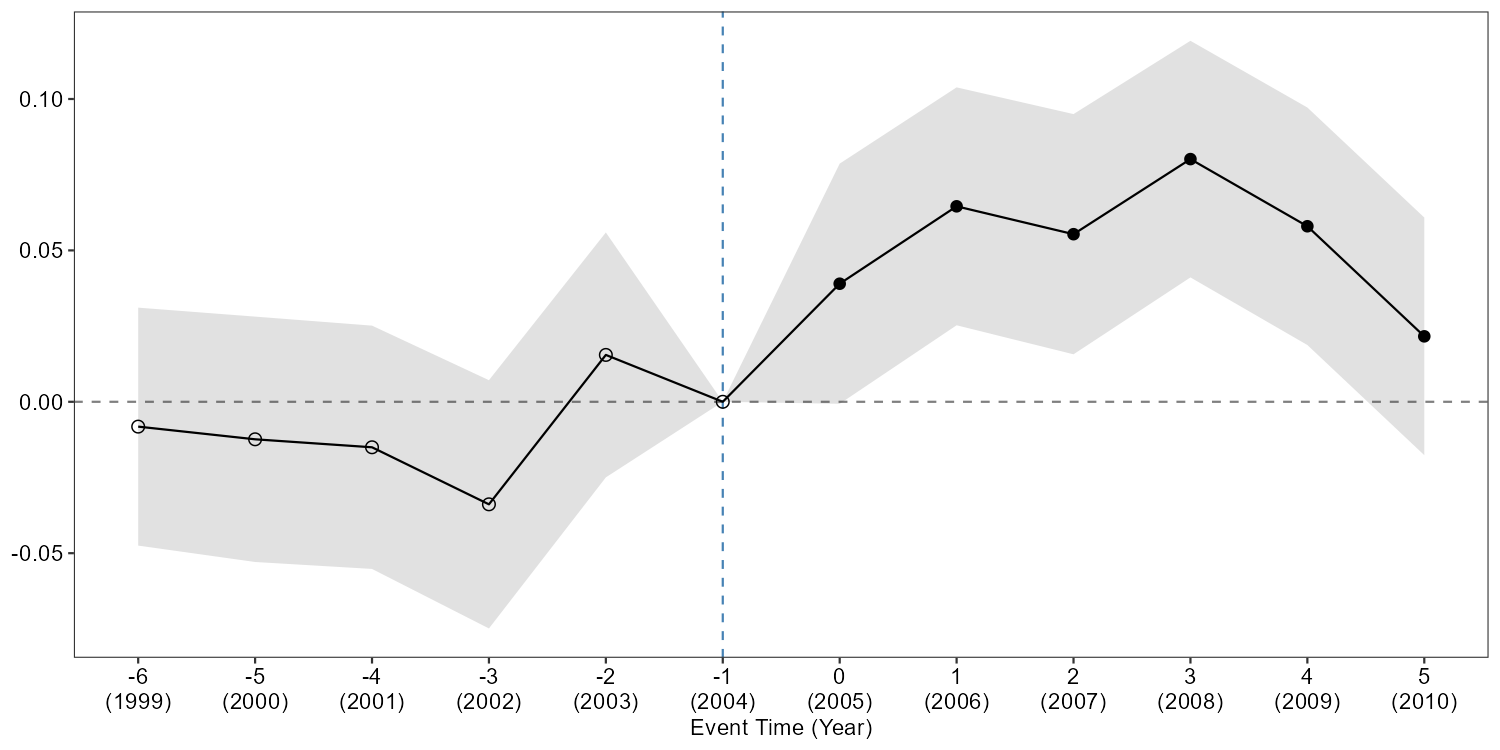
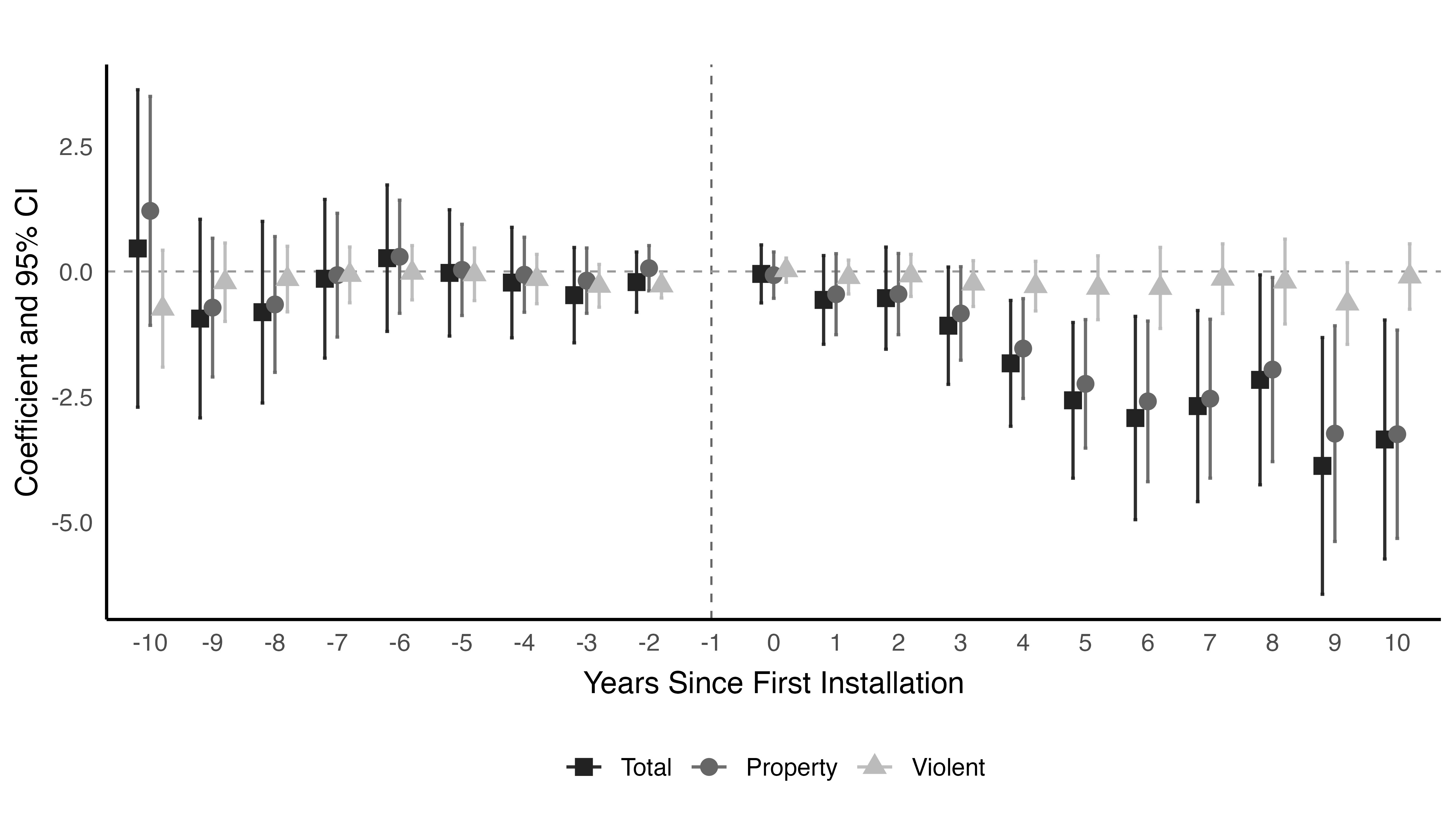
This paper estimates the causal effect of commercial wind turbine installations on local crime rates in the United States. Using 1995-2023 Uniform Crime Reporting data and a staggered difference-in-differences design, we examine effects across criminal offenses and explore mechanisms through local government revenues and expenditures, population dynamics, and migration. We find that county-level crime rates decline about three years after wind turbine installation, while local revenues and expenditures increase, suggesting that wind energy development generates social externalities relevant for renewable infrastructure siting policy.
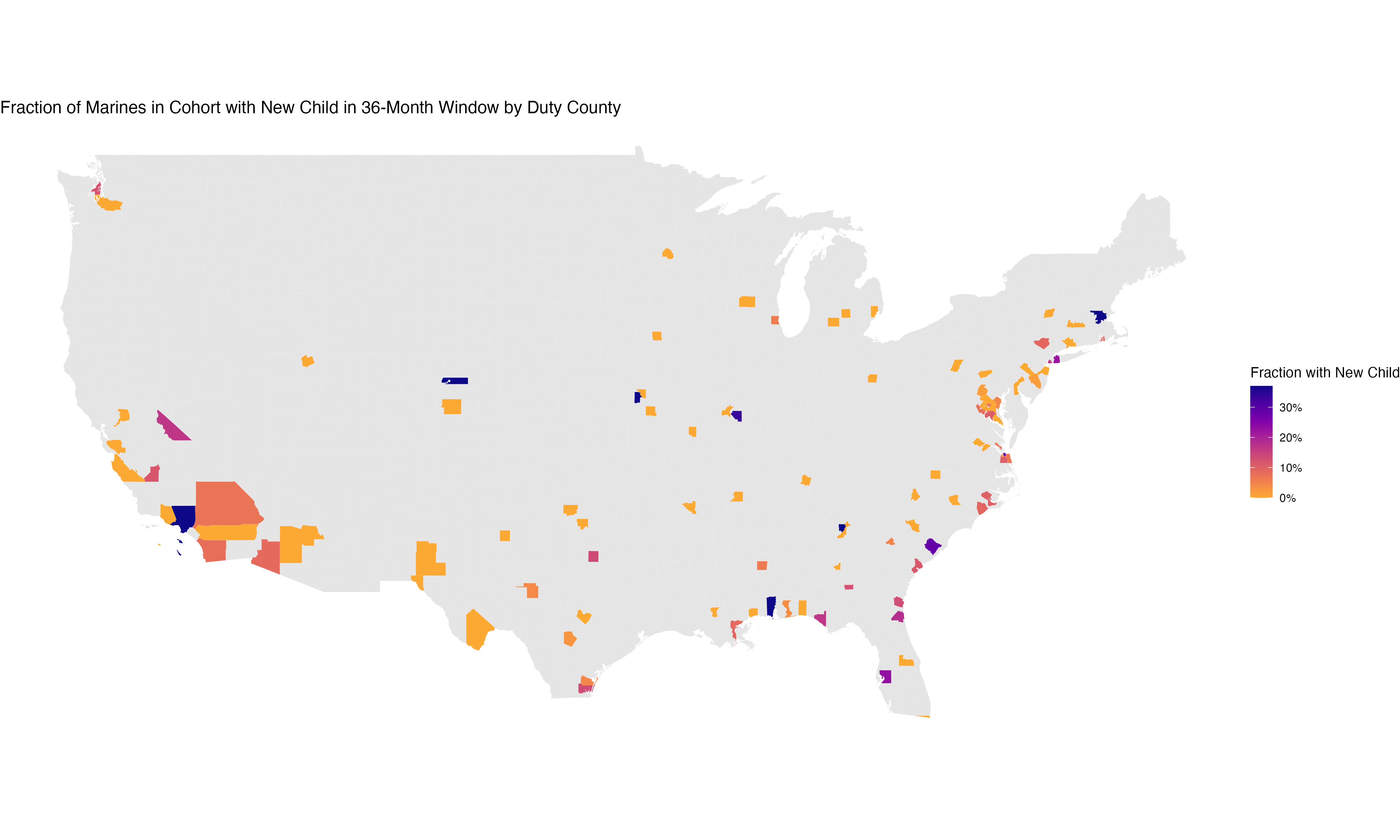
Low fertility has emerged as a defining demographic challenge globally. Even within the United States, where overall fertility has trended downward, fertility rates exhibit substantial geographic heterogeneity. These wide and persistent differences raise a question: to what extent do they reflect causal effects of place, rather than compositional sorting or other socioeconomic factors? We leverage quasi-random military duty-station assignments to study place and peer effects on fertility. Linking duty-station histories to annual fertility outcomes, dependent-status records, and marital transitions, we estimate how exposure to different local family environments affects subsequent fertility, marriage, and divorce. Our design uses commuting-zone indicators and inverse-propensity score weights to adjust for branch- and occupation-based assignment patterns. We estimate gender-specific place effects and examine marriage and divorce as related behavioral margins, providing causal evidence on whether local norms, family structures, and community environments shape fertility decisions.
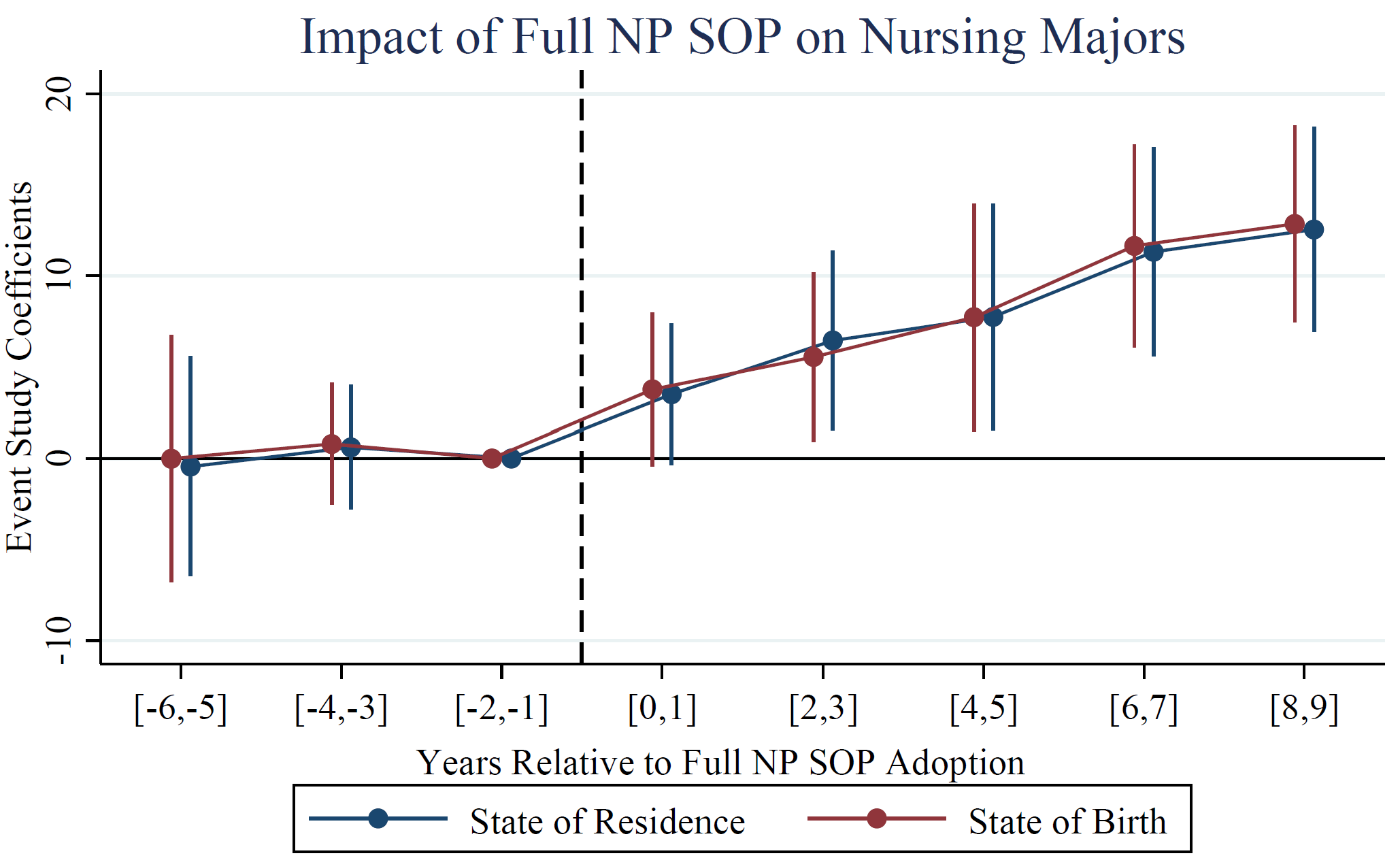
This study examines whether adoption of full nurse practitioner (NP) scope-of-practice laws expands the long-run primary care workforce by increasing entry into nursing and NP training pathways. Using 2000-2019 ACS, IPEDS, and National Council of State Boards of Nursing data, we estimate stacked difference-in-differences and event-study models to assess effects on college major choice, graduate degree attainment, nurse licensure, and RN exam candidates. Preliminary results indicate that full SOP adoption increases nursing majors, partly by drawing students away from life sciences, but provides limited evidence of increased graduate training or NP entry, suggesting that these policies expand RN supply more than the NP workforce.
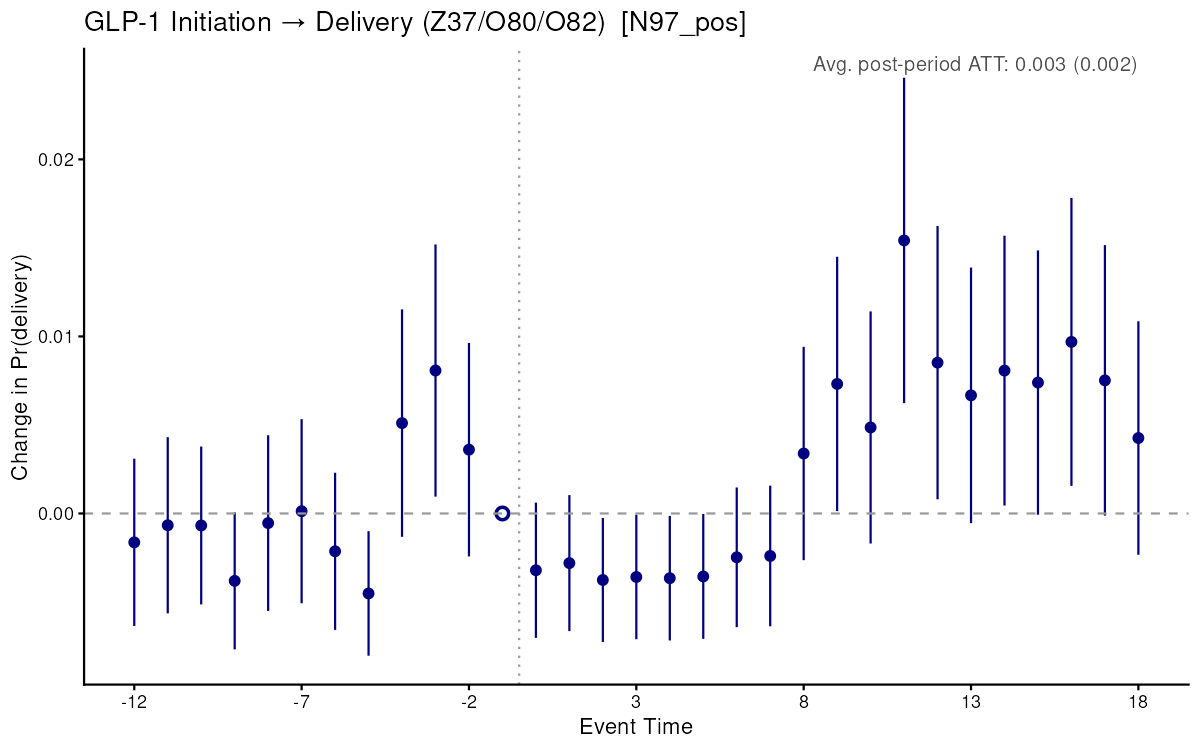
I study whether GLP-1 initiation affects fertility and pregnancy outcomes among reproductive-age women with obesity using 2016-2024 Merative MarketScan Commercial claims. I document the size and composition of the GLP-1 candidate population, uptake among reproductive-age women, and medication use before, during, and after pregnancy. I then estimate effects on deliveries and related outcomes using an incident-user design and stacked cohort-specific difference-in-differences models with individual fixed effects to address endogenous treatment timing and fertility intent.
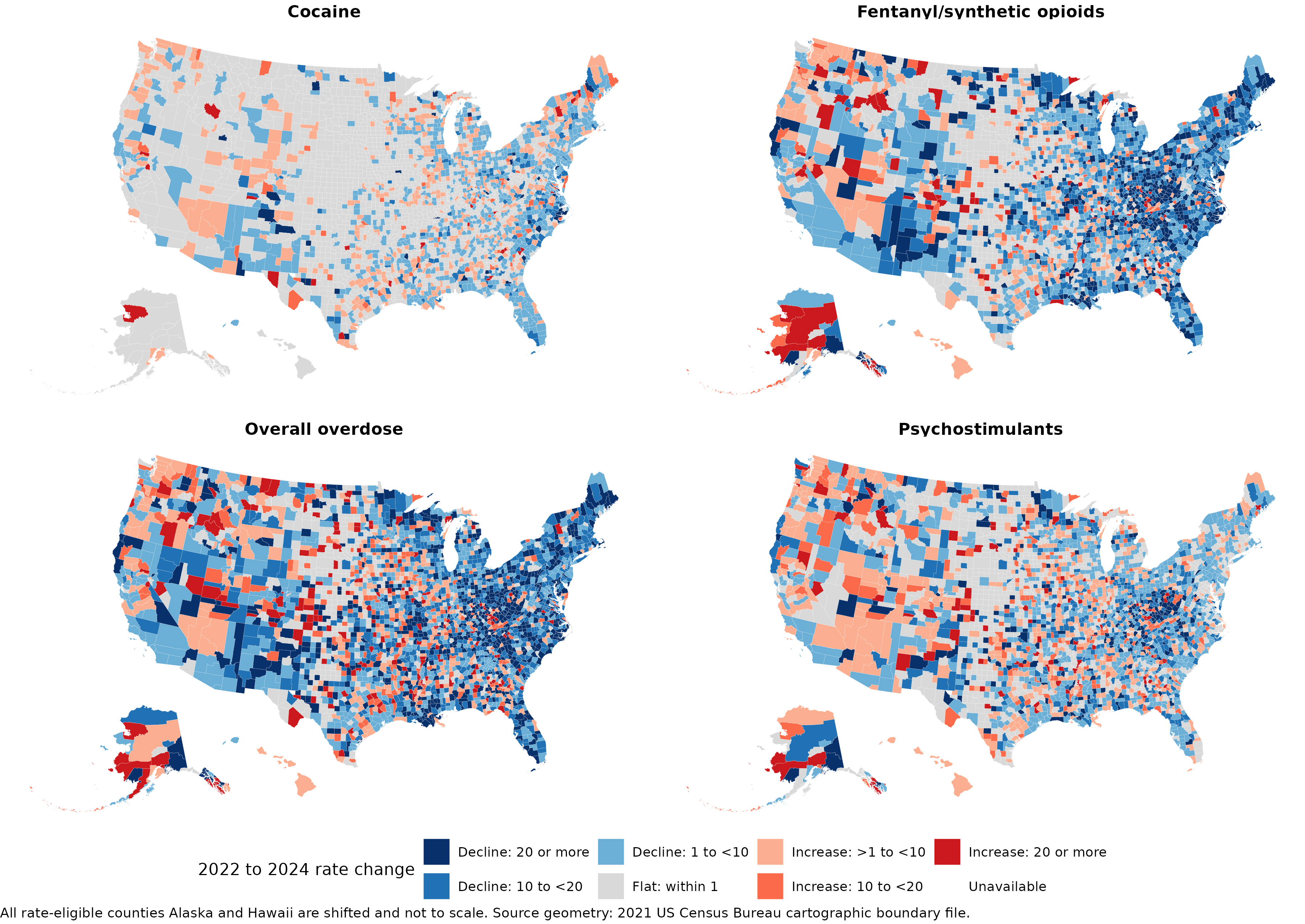
Using detailed national mortality records, we examine how the decline in US drug overdose mortality from 2022 to 2024 varied across counties. We assess differences across substances and examine how county characteristics and earlier overdose trends relate to these changes. Our findings show that declines were widespread but uneven across communities and were largest for deaths involving synthetic opioids, primarily fentanyl.
This project studies whether residential moves to higher- or lower-fertility areas affect subsequent childbearing among U.S. women of childbearing age. Using linked restricted-use ACS and administrative residence records, it reconstructs migration histories and fertility outcomes to estimate place effects on fertility while evaluating the quality of Census residence-history data.
This project examines how local disruptions to formal care supply, caused by nursing home and childcare facility closures, affect household behavior across the life cycle. Using linked administrative and survey data in a stacked difference-in-differences design, it estimates effects on mortality, residential arrangements, labor supply, earnings, migration, fertility, and household formation among elderly individuals, adult children, and parents of young children.
This study examines whether earlier access to COVID-19 vaccination improved academic outcomes among K-12 students in Indiana. Leveraging a sharp date-of-birth discontinuity in vaccine eligibility in May 2021, we use statewide student-level test score and attendance records from 2018-2024 to compare early-eligible and late-eligible cohorts in a difference-in-differences framework with student and year fixed effects. We estimate effects on standardized test performance and attendance during the 2021-2023 school years, assess pre-treatment trends using event-study models, and examine heterogeneity by socioeconomic status.
Instructor of Record: Fall 2025, Spring 2026
Graduate Teaching Assistant: Fall 2026
Guest Lecturer: Spring 2026
Lecture: High-performance computing with SLURM, Quartz supercomputer, and Slate storage